It Starts With the Work
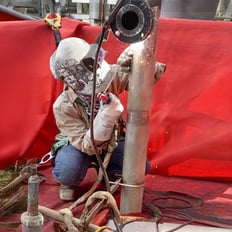
Welding Blankets are a simple but critical part of protecting active jobsites.
On most jobsites, welding is just one part of a larger operation. Crews are working around equipment, materials, and active work zones, all while managing heat, sparks, and constant movement. The focus is on getting the weld right, but what happens around it matters just as much.
Because once welding starts, the environment changes.
What Happens Around the Weld
Welding introduces more than just a finished joint. Sparks, slag, and spatter spread beyond the immediate work area. High heat transfers to nearby surfaces. In confined or active environments, that exposure can reach equipment, materials, and adjacent work zones.
Depending on the job, this can mean:
- surface damage from falling slag
- heat exposure to sensitive materials
- sparks traveling into nearby work areas
- increased fire risk in unprotected zones
Without proper protection, these conditions can quickly impact both safety and productivity.
Where Jobsites Run Into Issues
On active projects, these risks don’t stay isolated. A single unprotected area can lead to:
- damaged equipment or materials
- additional cleanup and surface repair
- interruptions to surrounding work
- safety concerns for nearby crews
Over time, these small issues compound and start affecting timelines, costs, and overall jobsite control.
How Welding Blankets Are Used
To manage these conditions, crews use welding blankets to protect the areas surrounding the work. They’re applied directly where the impact happens:
- Ground coverage to catch sparks, slag, and debris
- Equipment protection to shield nearby tools and materials
- Vertical barriers to block spatter and heat from reaching adjacent areas
- Work zone separation to help define and control hot work areas
Instead of reacting to damage, crews can prevent it.
Built for Jobsite Conditions
Welding blankets need to perform in environments where heat, abrasion, and repeated handling are constant. That means materials that can:
- withstand high temperatures from sparks and slag
- resist wear from repeated use and repositioning
- remain flexible enough for different applications across the jobsite
Eagle Welding Blankets are designed for these conditions, helping crews maintain consistent protection without frequent replacement or failure.
The bottom line?
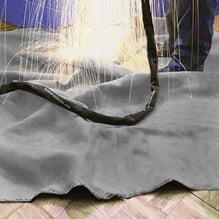
Welding doesn’t just impact the weld. It impacts everything around it. Welding blankets help crews control that environment, reduce risk, and protect the work area so projects can move forward without unnecessary disruption. Because protecting the weld is only part of the job.
Want to learn more? Visit eagleind.com or reach out to our Sales Team at sales@eagleind.com.